4P Advisory –
Process Consulting for Agencies.
Impact Needs Structure
Our Whitepaper.
“Impact Needs Structure” – A report on the realities of agency operations across the DACH region, based on the insights of an industry survey.
An excerpt from the table of contents
15-minute reading time
01
When Complexity Outpaces Control.
02
The Pattern Behind the Problem.
03
Where the Cost Becomes Clear.
04
Why Processes by Themselves Aren‘t Enough.
+ 4 more chapters
We’re familiar with both sides of agency life: operational reality and the strategic perspective. Together, we bring more than 50 years of agency experience.
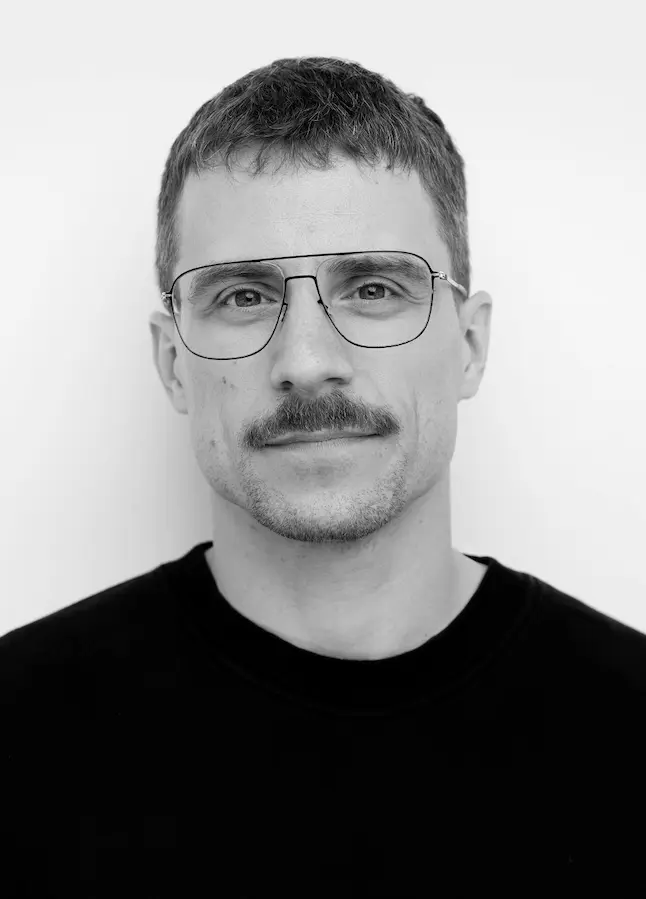
Dominik Schäfer
Few people know the inner workings of agencies as well as Dominik. For nearly 20 years, he has worked as a Project and Account Manager at more than 20 of the leading creative agencies across the DACH region, including antoni, Grabarz & Partner, Jung von Matt, McCann, Mutabor, Ogilvy, Serviceplan and Scholz & Friends.
He understands where processes break down in day-to-day operations and translates those insights into structures that work in practice.
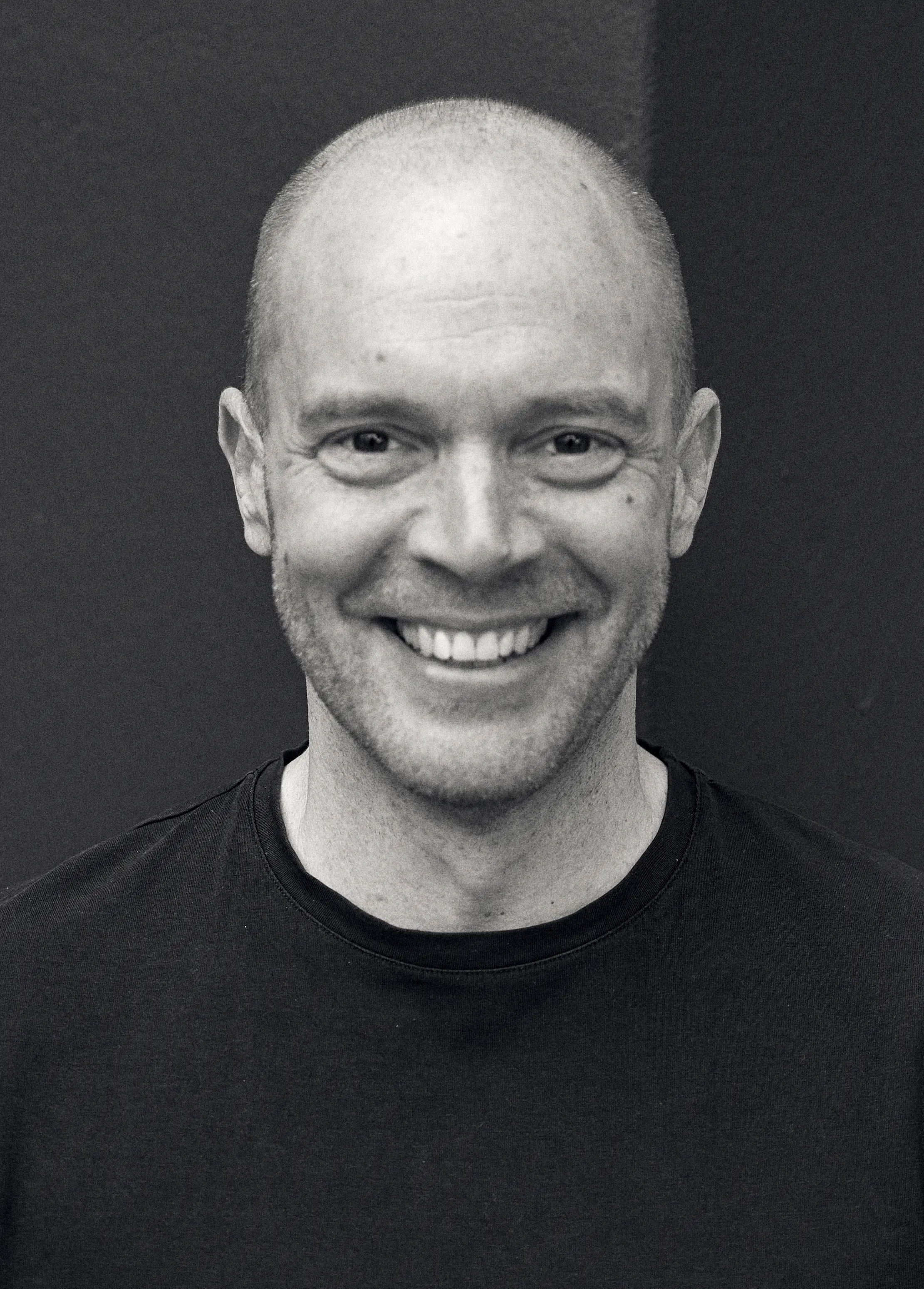
Marcus Calderoni
Marcus Calderoni has spent nearly 30 years working as a Managing, Business and Strategy Director at the intersection of strategy, consulting and agency leadership. He has worked for, within and alongside agencies such as Scholz & Friends, J. Walter Thompson, Jung von Matt and Kastner & Partner, as well as in companies he founded himself.
He connects an agency’s operational processes with its business and commercial logic, making it clear where structural clarity is missing and how it can be created.
Common questions. Straight answers.
Seven questions that come up in almost every first conversation – even before we speak.
What is 4P?
4P is a process consultancy for agencies across the DACH region. We work with agencies where everyone is stretched to the limit, yet too little seems to move forward. Together, we create the structural clarity that makes meaningful change possible. Our approach brings together four dimensions that are inseparable in practice: Positioning, People, Process and Profit. We’re not a traditional organizational development consultancy or an agile coaching firm.
We come from the agency world and work with leadership teams that are ready to treat structural clarity as a leadership responsibility.
What kinds of challenges does 4P address?
We see four recurring patterns of structural ambiguity across agencies:
Opinion over metrics – Decisions based on experience and intuition rather than reliable data
Workarounds over long-term thinking – Processes that have evolved over years without ever being intentionally designed
Tools over operating logic – Trying to solve structural problems by introducing new software
Operations over strategic leadership – Improving individual team processes without an overarching operating model
These patterns create unnecessary losses in time, money and energy and ultimately reduce profitability.
What do the four Ps stand for?
The four Ps represent the four dimensions that determine an agency’s effectiveness: Positioning, People, Process and Profit. Positioning defines strategic direction and value proposition. People is about roles and decision-making. Process provides the structure for how work gets done and priorities are set. Profit is about the ability to manage financial performance.
The key point is this: Process isn’t more important than the other three. It’s where they come together. Positioning that never translates into the way people work has little impact. That’s why we never work on processes in isolation.
How is 4P different from traditional consulting?
The usual response to structural problems is to tackle the visible symptom—an individual process or a new tool. 4P starts one level deeper: with the operating logic that determines whether a process can be effective in the first place. We don’t arrive with a toolbox of methods or a checklist framework.
Instead, we first examine the relationship between process, positioning, people and business performance, because process is rarely the real problem. We come from the agency world, not from academic frameworks.
What kind of agencies is 4P right for?
4P is designed for owner-managed agencies with typically 15 to 150 employees whose current operating model is reaching its limits. In practical terms, they’re finding that growth creates more friction instead of greater stability. They’ve already tried to solve their problems – with new tools, restructurings or workshops – but the underlying issues remain.
They suspect the problem isn’t a single process, but the operating logic behind it. And their leadership team agrees that real change is needed, not just another conversation about it. We don’t work with agencies looking for a quick fix to an isolated problem.
Who are the consultants behind 4P?
The people behind 4P are Dominik Schäfer and Marcus Calderoni—bringing together complementary operational and strategic perspectives. Together, they combine more than 50 years of agency experience and insights gained across numerous agencies in executive leadership, strategy and project management.
This complementary perspective is why they never look at structural challenges in isolation, but always in the context of the four dimensions that are inseparable in practice: Positioning, People, Process and Profit.
How does the collaboration work?
Every engagement follows three steps: Understand. Process. Improve. First, we separate symptoms from causes and analyze the operating logic behind them through hypotheses, data and conversations across multiple levels of the organization—not just with the leadership team.
We then prioritize: not every challenge is addressed at once, some decisions are made not to act, and responsibilities are clearly assigned. Only then do we begin changing structures through a small number of focused interventions that are integrated into day-to-day operations rather than run as a separate project. We support implementation without creating dependency.
A confidential conversation about where your agency stands today. Afterwards, you’ll have a clearer understanding of where your organization stands today and where to focus next.